Cleaning professionals use a wide variety of products in their daily roles, but not every disinfectant is suitable for every environment. This is particularly important in spaces where food is prepared and stored. In these settings, hygiene standards are critical, and professionals must ensure the products they use can effectively eliminate harmful bacteria such as E. coli and salmonella.
In these cases, choosing a disinfectant that meets the BS EN 1276 standard provides reassurance that the product is both food-safe and effective against a wide range of dangerous pathogens.
What Is BS EN 1276?
According to the British Standards Institution (BSI), BS EN 1276 (British Standard European Norm 1276) defines:
“The minimum requirements for bactericidal activity of chemical disinfectant and antiseptic products that form a homogeneous, physically stable preparation when diluted with hard water or – in the case of ready-to-use products – with water.”
To comply with BS EN 1276, products must also meet strict testing conditions. The BSI specifies that:
“Products can only be tested at a concentration of 80% or less, as some dilution is always produced by adding the test organisms and interfering substance.”
More broadly, the British Institute of Cleaning Science (BICSc) explains that BS EN standards indicate a product’s ability to eliminate harmful microorganisms, including bacteria, spores, fungi, and viruses.
Focusing specifically on BS EN 1276, the BICSc highlights:
“BS EN 1276 is the bactericidal standard, generally found on washroom products and effective against E. coli, pneumonia and tetanus to name but a few bacteria.”
Where Should BS EN 1276 Products Be Used?
BS EN 1276-certified disinfectants are suitable for a wide range of environments. The BSI states that the standard applies to products used in:
- Food preparation areas
- Industrial settings
- Domestic environments
- Institutional facilities
However, it excludes areas where medical disinfection is required, as well as products used on living tissues (except for hand hygiene in the listed environments).
Importantly, the Food Standards Agency (FSA) confirms that disinfectants certified to BS EN 1276 are:
- Safe for use in catering and food service environments
- Specifically formulated for use in food preparation areas
In addition to food-related settings, these products are also widely used in:
- Schools
- Nurseries
This makes BS EN 1276 a trusted standard across multiple sectors where hygiene is essential.
Why BS EN 1276 Matters in Hygiene and Cleaning
Verifying a disinfectant’s certification is crucial to ensuring its effectiveness. The BICSc emphasises this point clearly:
“The only way to be sure products are proven to be effective is to look for the independent testing of the product to approved British Standards.”
Products that meet BS EN standards will typically display this certification clearly on their labels, allowing hygiene professionals to make informed choices.
Alongside selecting certified products, cleaning practices also play a vital role. Hygiene professionals should ensure they:
- Frequently disinfect high-touch surfaces such as door handles, lift buttons, and railings
- Regularly clean high-traffic areas, including washrooms
- Follow consistent and thorough cleaning routines
BS EN 1276: Trusted Protection for Food Prep Areas and Beyond
BS EN 1276 provides proven, reliable protection against harmful bacteria in a wide range of environments. For cleaning and hygiene professionals, choosing a disinfectant with this certification ensures:
- Effective bactericidal performance
- Compliance with recognised UK and European standards
- Suitability for food preparation and service environments
Ultimately, BS EN 1276-certified products offer peace of mind, helping professionals maintain the highest hygiene standards and protect public health.
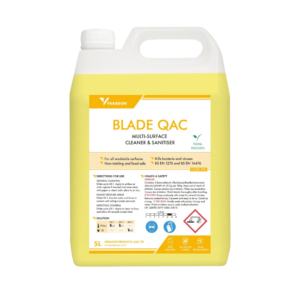
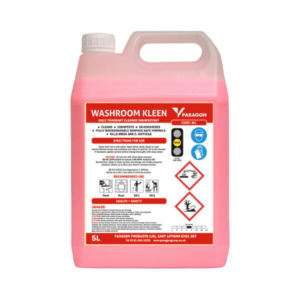
Recommended Products: BS EN 1276 Tested
Lorem ipsum dolor sit amet, consectetur adipiscing elit. Ut elit tellus, luctus nec ullamcorper mattis, pulvinar dapibus leo.